

Why I decided to keep a journal of my fieldwork experience

Updated: May 18, 2020
In many ways it seems so unbalanced that we spend six months working on our thesis projects to only deliver a final 6000 word paper. I don’t mean to devalue this piece of work and I am aware that those six thousand words will be earned with blood, sweat and tears. However, we write a scientific paper, which details our aims, methodologies, results and conclusions – but is removed from feeling.
For many of us, we are out in the field. As MSc students, it is also the first time a lot of us have led our own research project. Far away from home – Australia, India, Namibia, Bolivia – we are learning about more than our topic of research. And where do we document these learnings?
For this reason I decided to journal my experience. Note, I have never journaled before or kept a diary, and I am no wordsmith, but I wanted a record of my day to day experience. For myself, this is more than just an assignment to fulfil a degree requirement. This is a baptism of fire into research and conservation. I want this journal to be an honest record of the process. It is all too easy to look retrospectively look back with rose-tinted glasses and see only the highs, to remember only the sunshine.
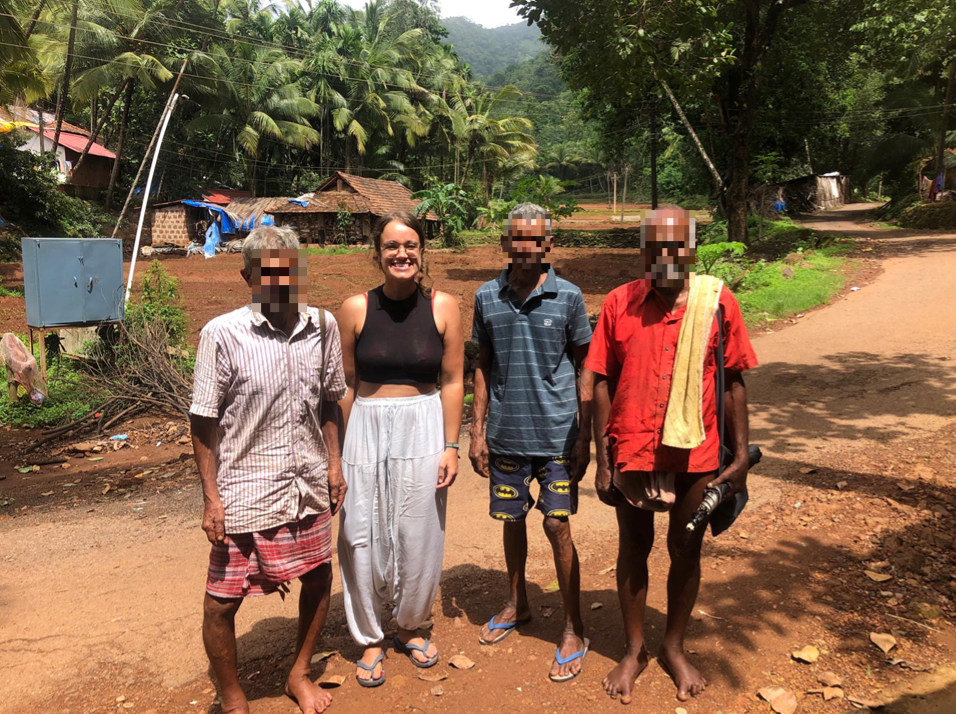
I want to remember the bad days. I want to remember the times where I doubted myself and my project, when I felt lonely and lost. I want to detail the interactions with the people I meet and the background behind the surveys I collect. Think of it as an appendix to the thesis – the colour photography to support the black and white text. In the field of conservation, we talk a lot about recording our failures and sharing these so others learn from them, so they don’t repeat our mistakes. These might not make it into your thesis submission but having them written down may be important at a later date.
I must admit, I’m only a week in. However, I am already realising a few things about this process:
Making myself write is hard.
When you write down your feelings and experiences, you expose yourself to a raw vulnerability that you are not used to. There is a freedom in crafting a conversation between just yourself and a blank page and as the ink starts to flow so do your thoughts and feelings. This is difficult. To write an emotion down is to accept you feel a certain way and, in a sense, it makes it more real. Once a thought is down on paper, in black ink, it can’t be erased or denied. It can still be transient and you may not feel that way tomorrow, your confidence may be back but it is important to acknowledge that yesterday you were lonely, or scared, or overwhelmed.
It is cathartic.
If you’re like me, you probably don’t share your feelings. I’m not one to write on Facebook when I’ve had a bad day and I certainly don’t tell friends and family how I feel. I thought I would feel silly writing things down. In fact, it feels like a release. An acknowledgment that I feel overwhelmed or unproductive, an acceptance that this is okay, and an opportunity to move past that. Even the act of writing is cathartic - feeling that flow of consciousness move like a current from head, to hand, to paper.
The little things are important.
In five years, I might forget that I got a free upgrade to an extra leg room seat or that I pulled out onto the wrong side of the road into oncoming traffic. At the time, these were events that mattered – one made me feel like a lucky b*****d, one made me fear for my life and question my sanity for driving in a new country. I can’t write these down in my thesis paper, they won’t get me any extra marks. Yet, they are little but important moments that shaped this fieldwork experience.
Journaling won’t be for everyone, but I urge you to consider some way of making a record of your experience – take a meaningful photo every day or write a blog for family and friends to follow. Don’t forget the science and why you are doing the fieldwork – but create something for you too. After all, this is your research project.

Grace Nolan


Comments